KANEMOTO TANTO










KANEMOTO
TANTO
SUGATA: HIRA ZUKURI
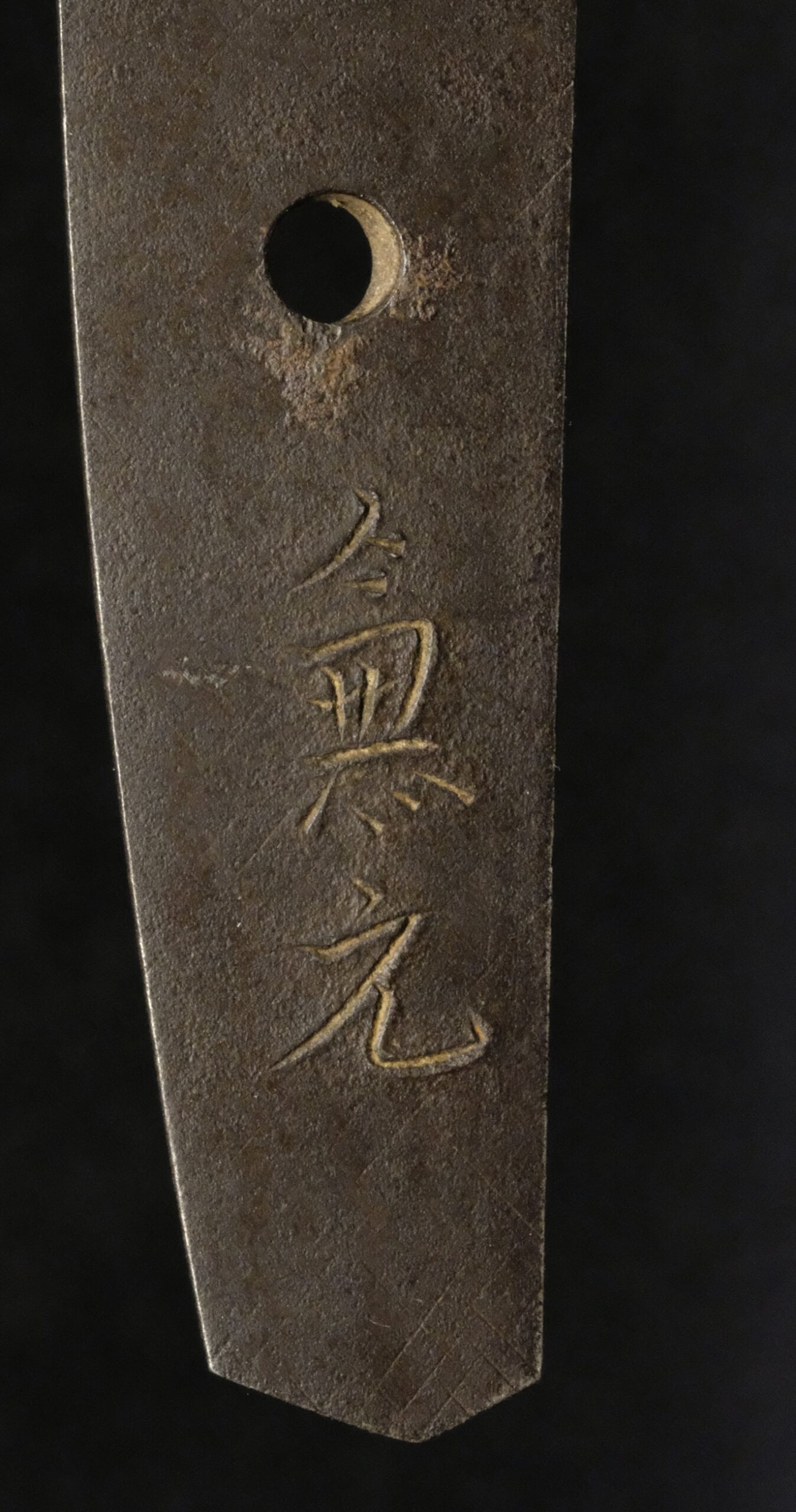
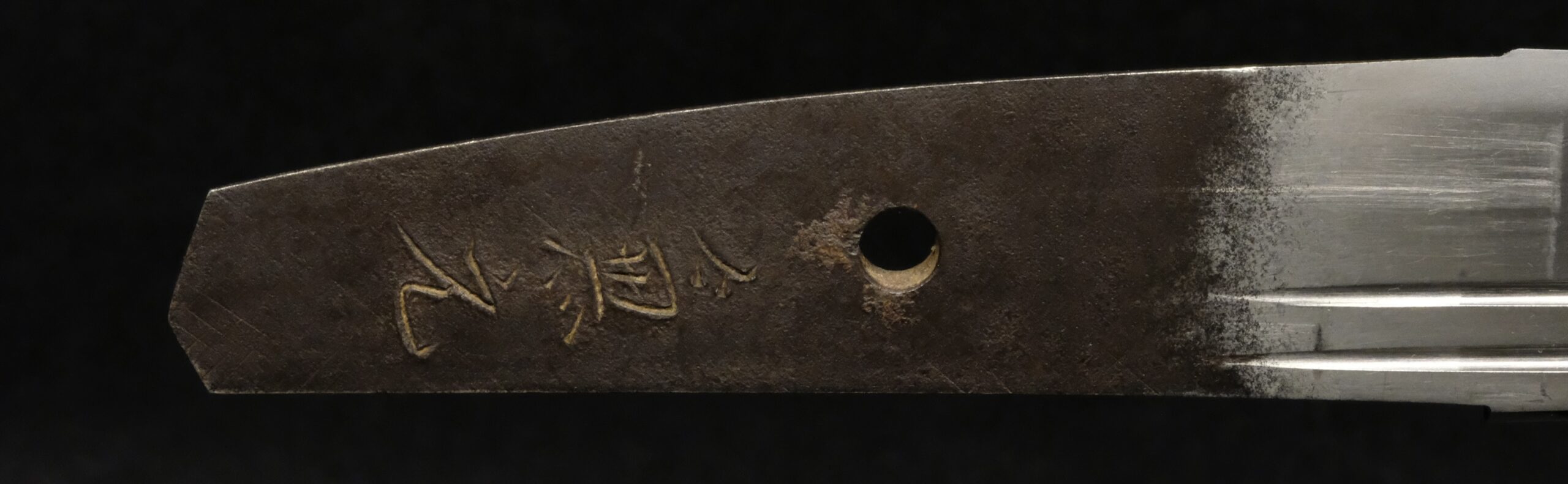
MEI: KANEMOTO
DATE: NONE
NAGASA: 26.9875cm (10.625″)
OVERALL: 35.56cm (14″)
MIHABA: 2.8575cm (1.125″)
KASANE: 0.63cm (0.25″)
SORI: SLIGHT
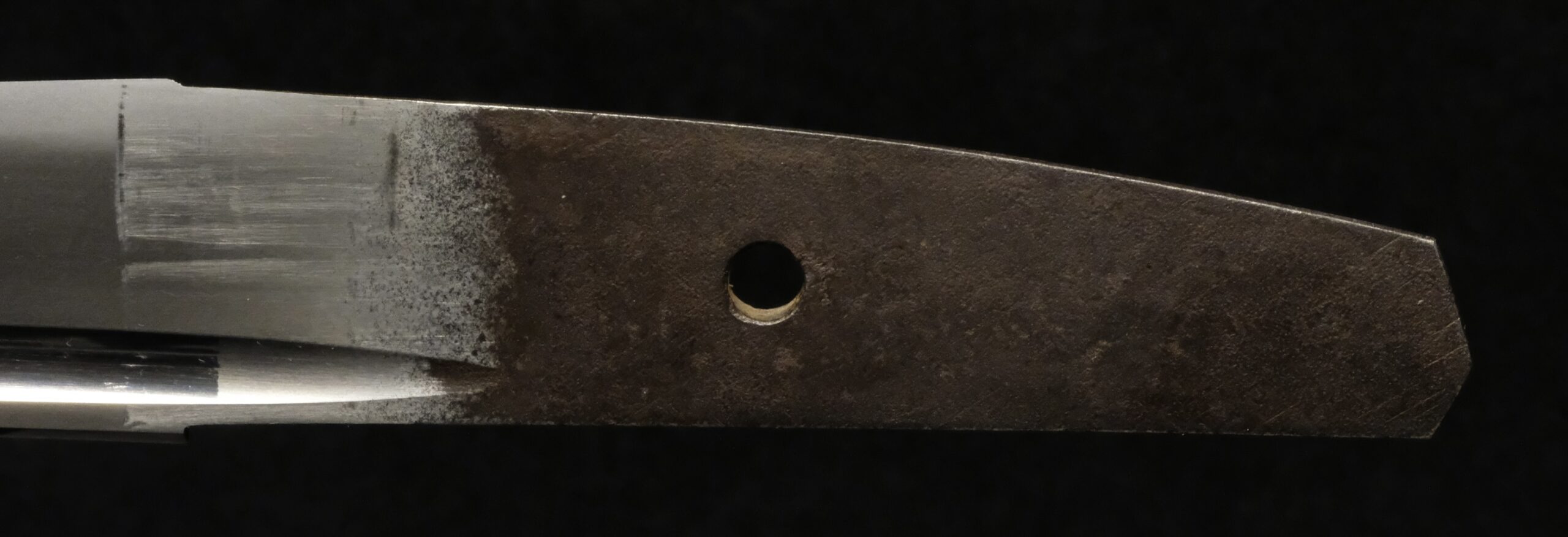
NAKAGO: UBU, FUNAGATA
MEKUGI ANA: ONE
YASURIME: HIGAKI
MUNE: IORI
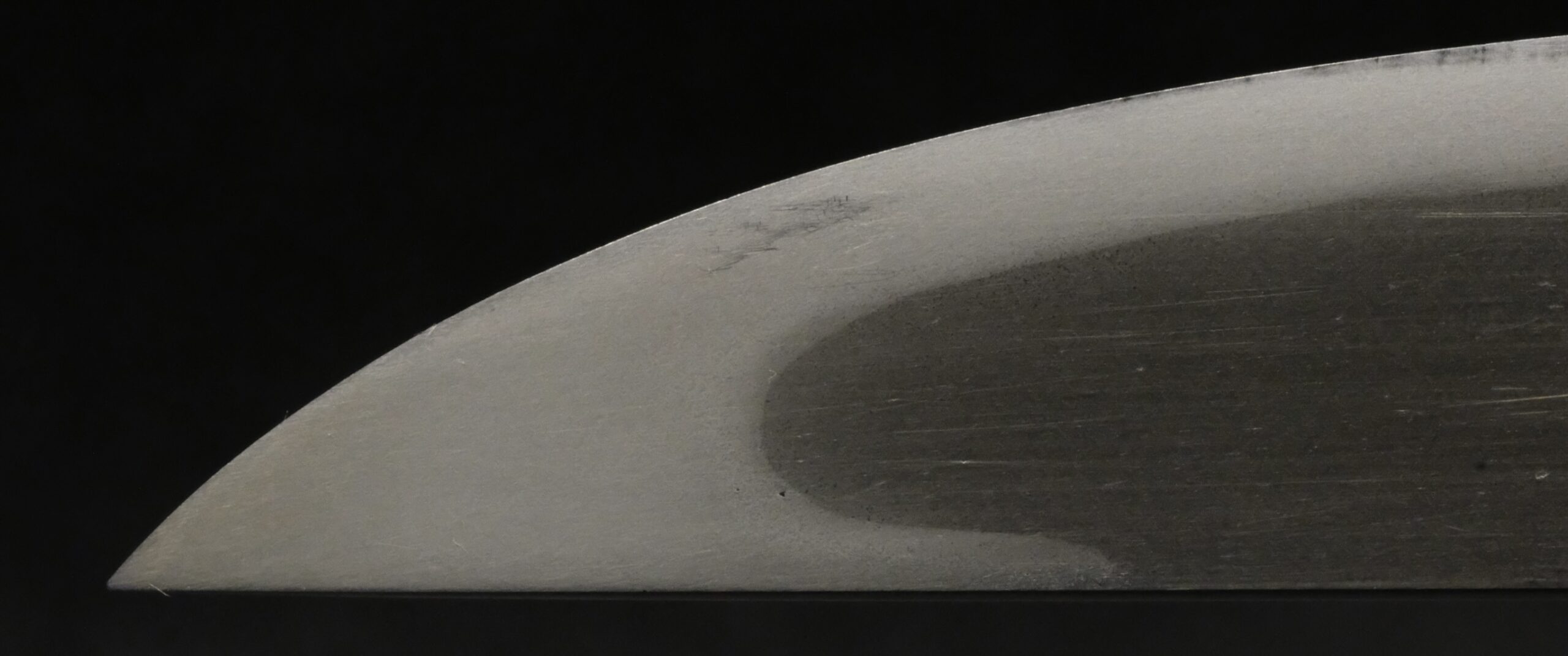
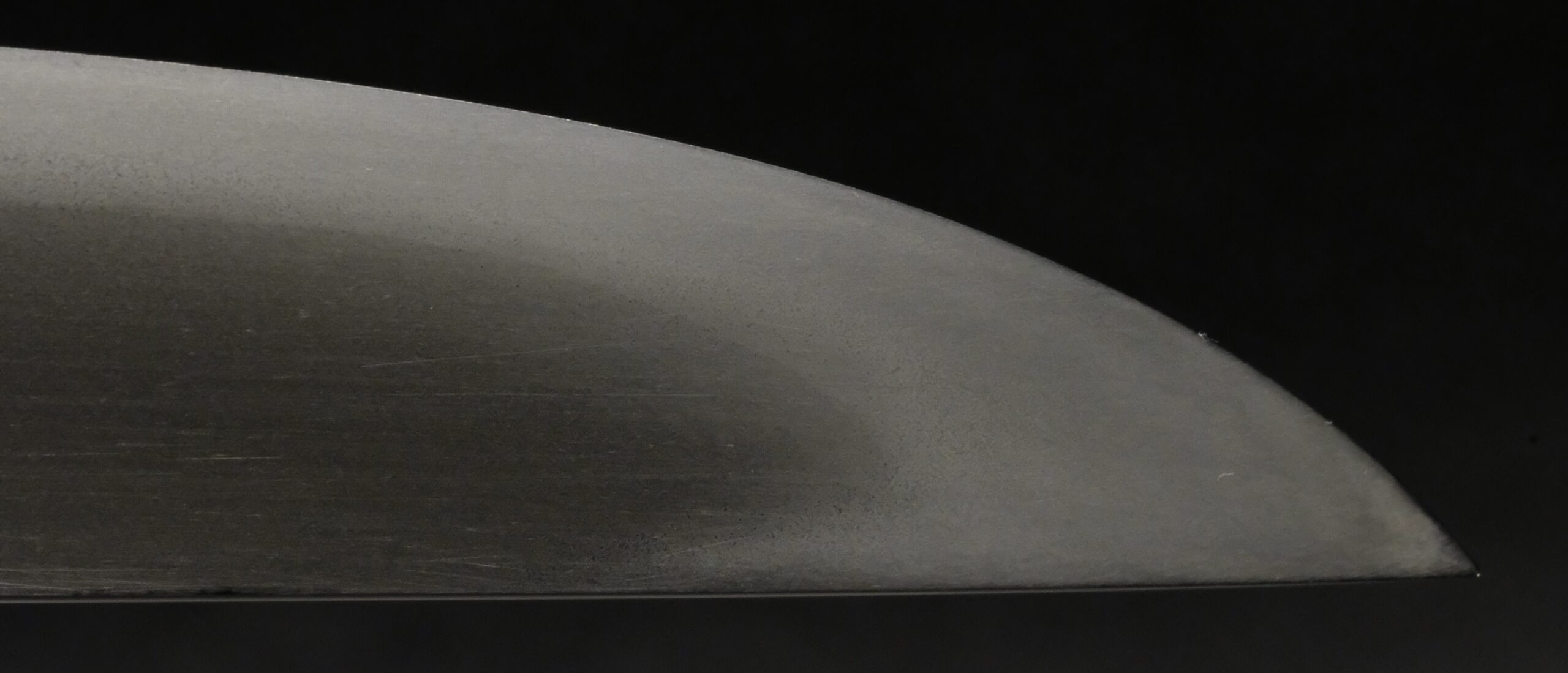
HADA: TIGHT KO-ITAME
HAMON: O-NOTARE IN NIE DEKI
BOSHI: KOMARU
HORIMONO OMOTE: GOMA HASHI
HORIMONO URA: KOSHI-BI
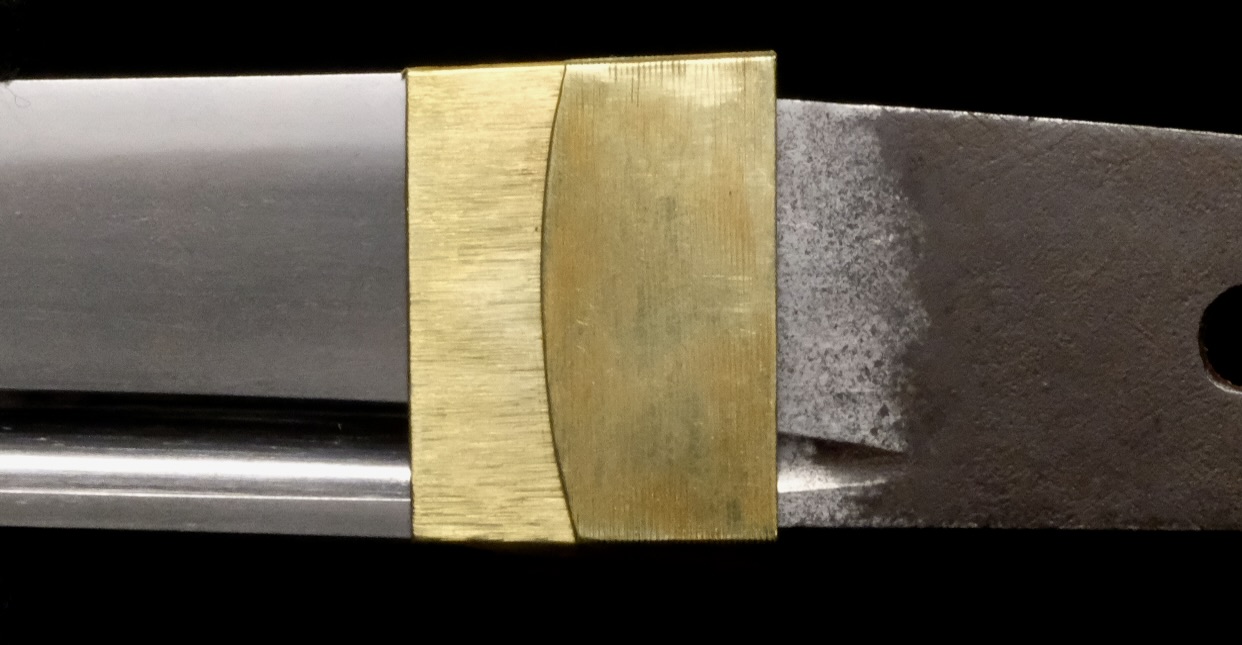
HABAKI: 2 PC. GOLD FOIL
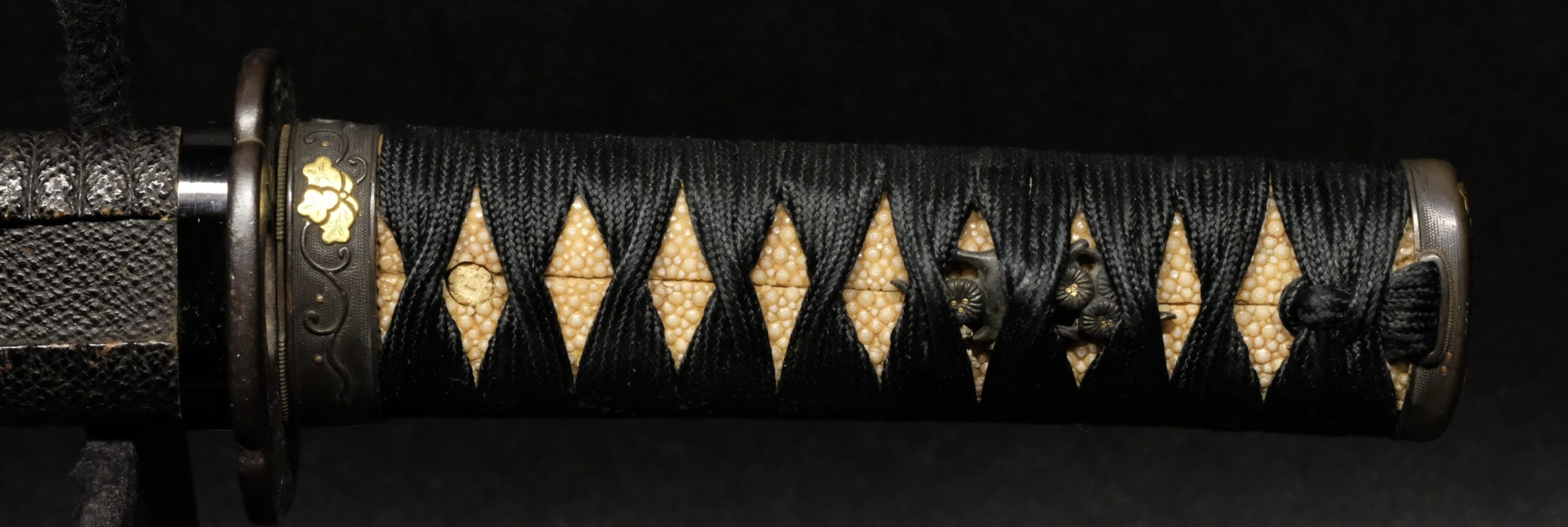
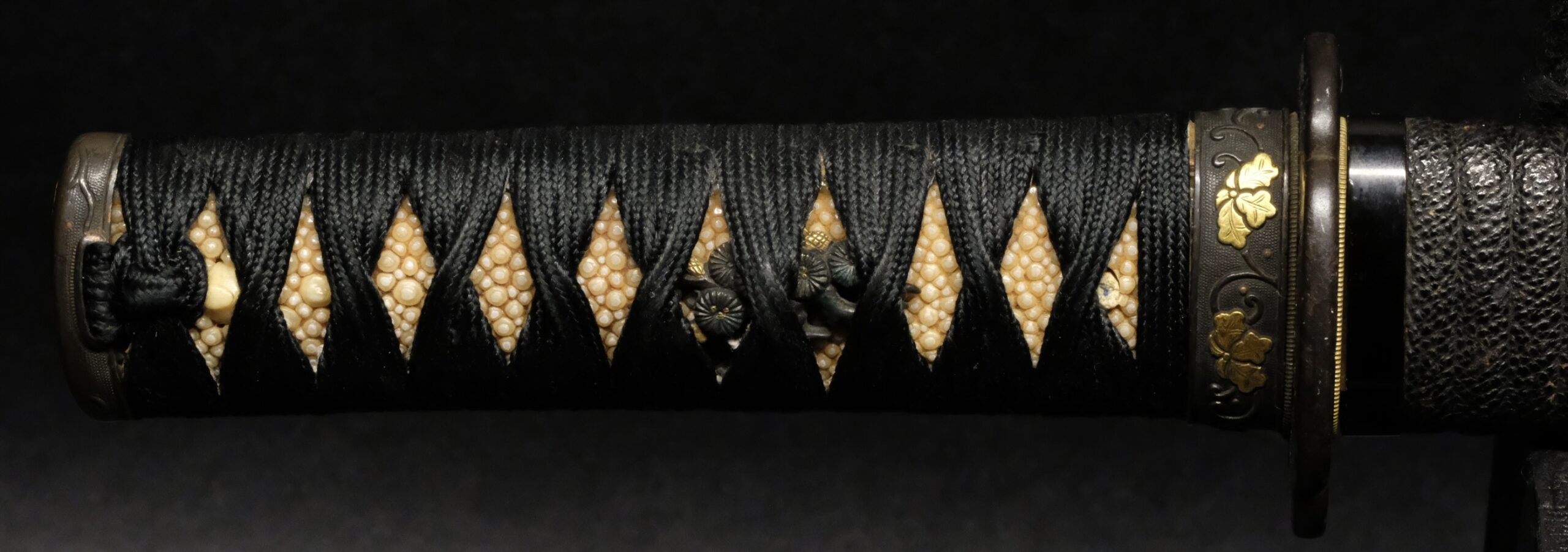
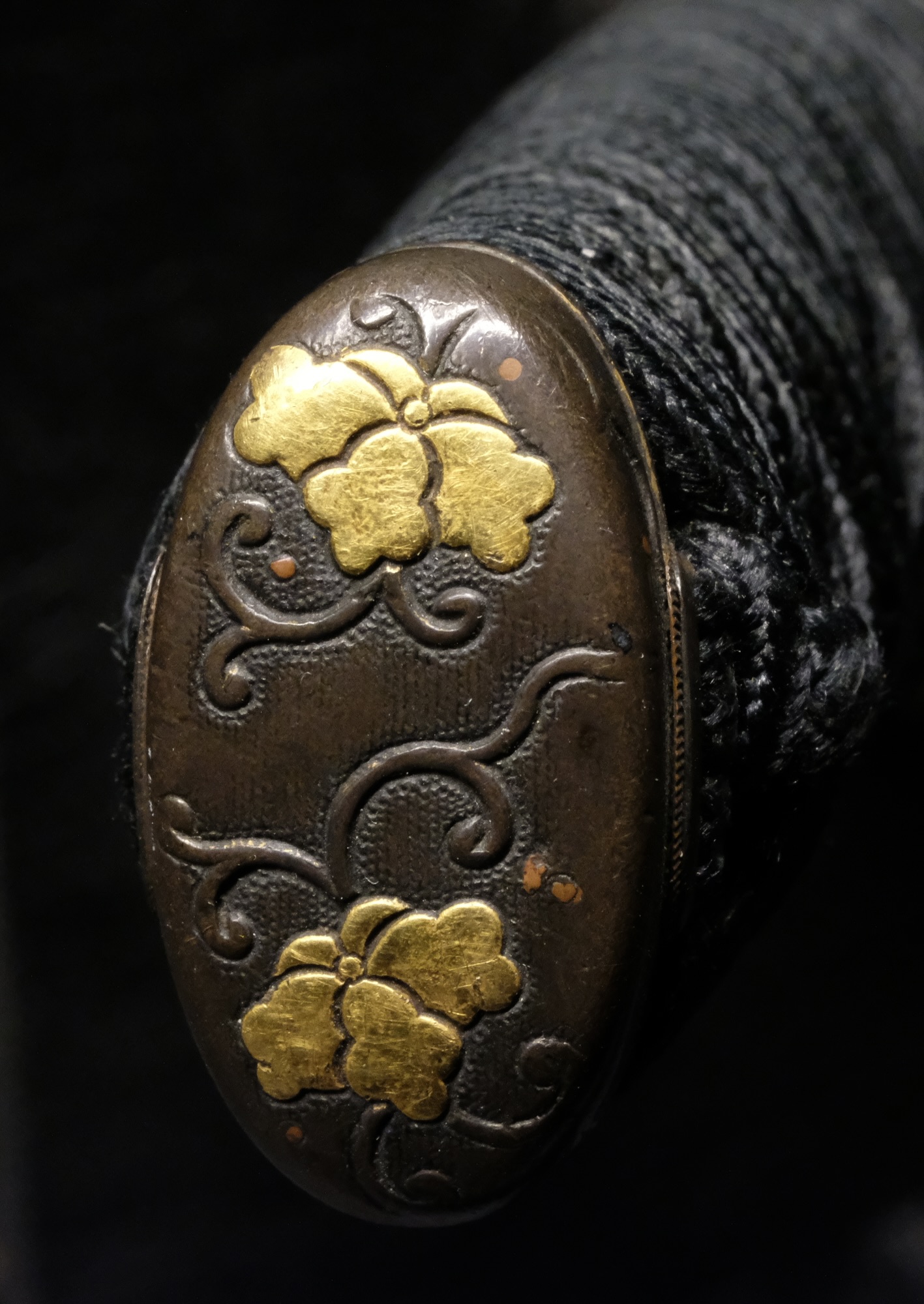
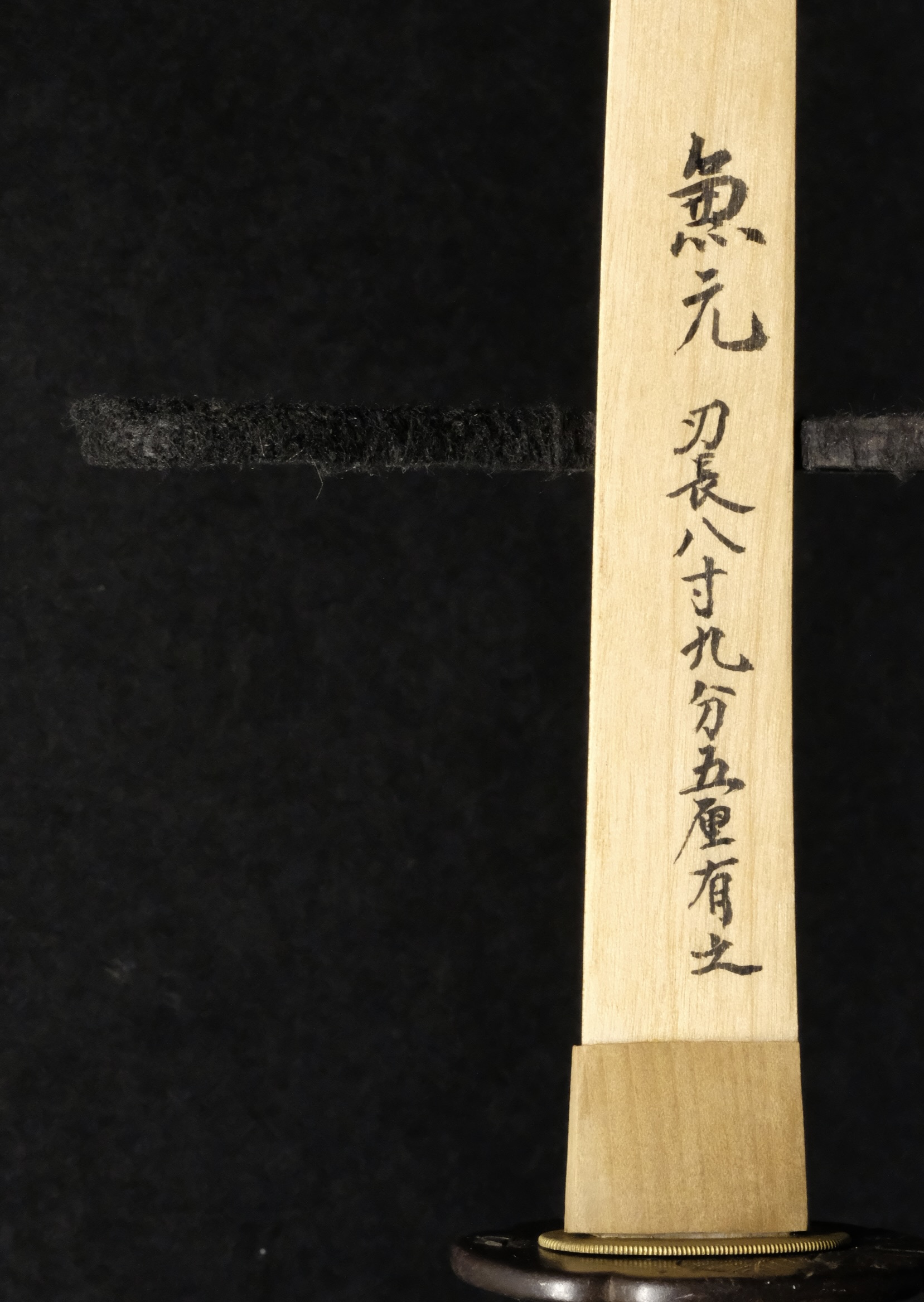
KOSHIRAE / SHIRASAYA
Courtesy of Seskos, Swordsmiths A-Z:
KANEMOTO (兼元), 1st gen., Meiō (明応, 1492-1501), Mino – “Kanemoto” (兼元), “Nōshū Akasaka-jū Kanemoto” (濃州赤坂住兼元), “Nōshū Akasaka-jū Kanemoto saku” (濃州赤坂住兼元作), first name Tarōzaemon (太郎左衛門), priest name Seikan (清関), it is said that he was a later descendant of the Akasaka-Senju ́in smith Kuninaga (国長), other sources see him as son of Yukimitsu (行満), of Kanemune (兼宗), of Kanekuni (兼国) or of Kaneyuki (兼幸), he was active around Bunmei (文明, 1469-1487) and Eishō (永正, 1504-1521), during his early years he made some joint works with Kaneoto (兼音), elegant sugata, dense, somewhat blackish itame mixed with masame, irregular ko-gunome-midare mixed with ko-chōji, in addition sunagashi, mura-nie, uchinoke and nie-kuzure, he signed with small characters on the shinogi-ji of the tang, in later years his signature becomes larger and is not necessarily positioned on the shinogi-ji, it seems that he signed in earlier years just with Kanemoto, later also with “Nōshū Akasaka-jū Kanemoto saku,” and towards the end of his career with “Nōshū Akasaka-jū Kanemoto,” jō-saku
KANEMOTO (兼元), 2nd gen. Kanemoto, 1st gen. Magoroku, Daiei (大永, 1521-1528), Mino – “Kanemoto” (兼元), “Magoroku Kanemoto” (まこ六兼元) “Kanemoto saku” (兼元作), “Nōshū Akasaka-jū Kanemoto saku” (濃州赤坂住 兼元作), first name Magoroku (孫六), together with No-Sada, he is regarded as the most outstanding of all Sue-Seki smiths, he worked from the end of the Eishō (永正, 1504-1521) to the eraly Tenbun era (天文, 1532-1555) in Akasaka in Mino province, somewhat wide mihaba, rather thin kasane, scarce hira-niku, bright and clear jigane, itame mixed with masame, gunome mixed with irregular togari-gunome which can be considered as precursor of the later sanbonsugi, he signed powerfully and in large characters whereas the mei is executed rather angular and with straight strokes, his blades were famous for their supreme sharpness, saijō-ō-wazamono, saijō-saku
If you have studied or collected swords for any time, then you know who Kanemoto is. A very famous and important school of smiths. Above is some basic info on the first two generation of mainline Kanemoto.
Pinpointing which Kanemoto made this is where it gets tricky as there were many Kanemoto smiths, approximately 25 smiths which used these same characters for their mei. As such, I would defer to the expertise of the shinsa teams opinion.
Rarely do I offer guarantees as the papers themselves are not guarantees, however, with this tanto I am certain enough to guarantee it will pass NBTHK shinsa if submitted within one (1) year after purchase.
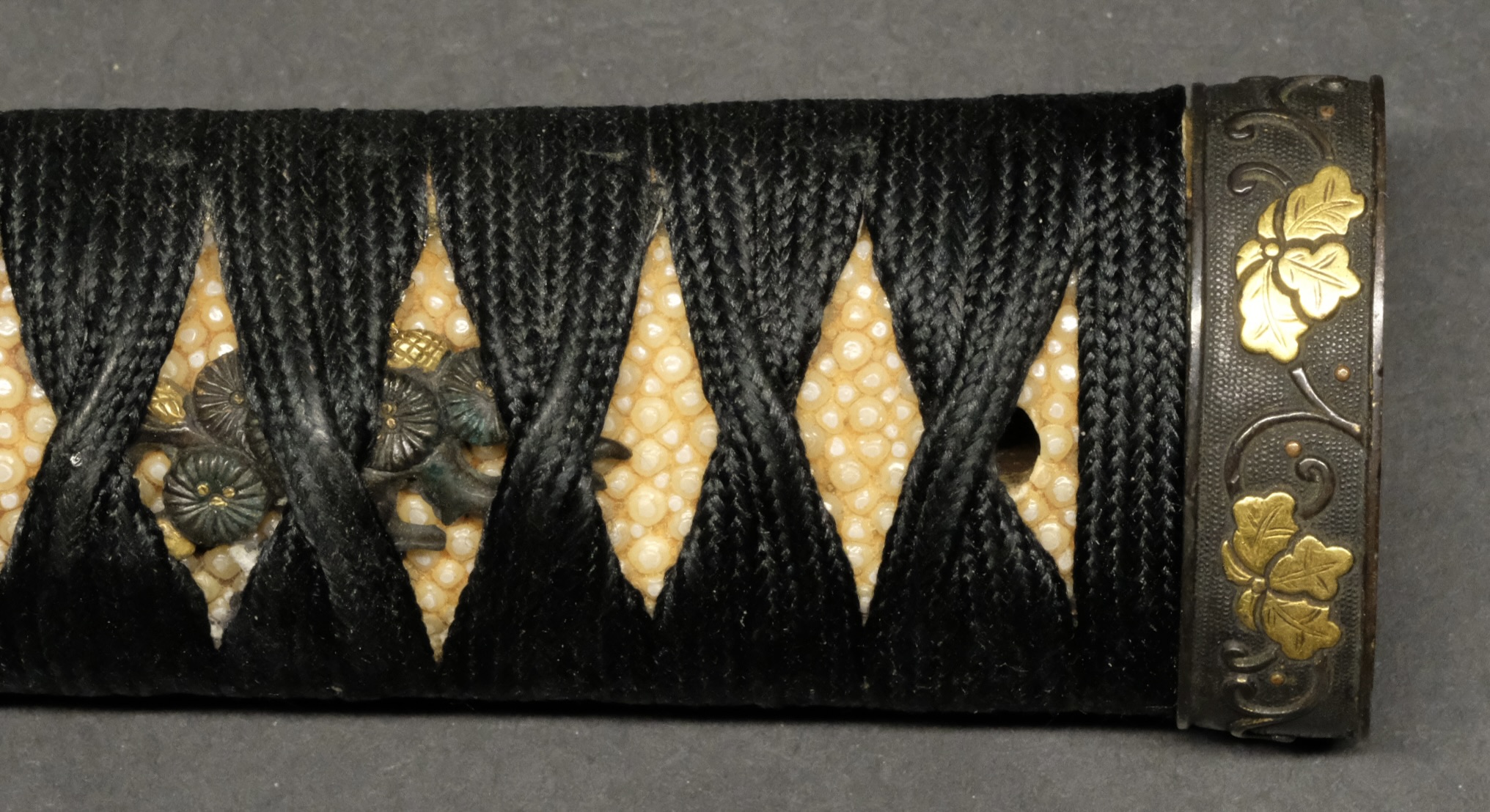
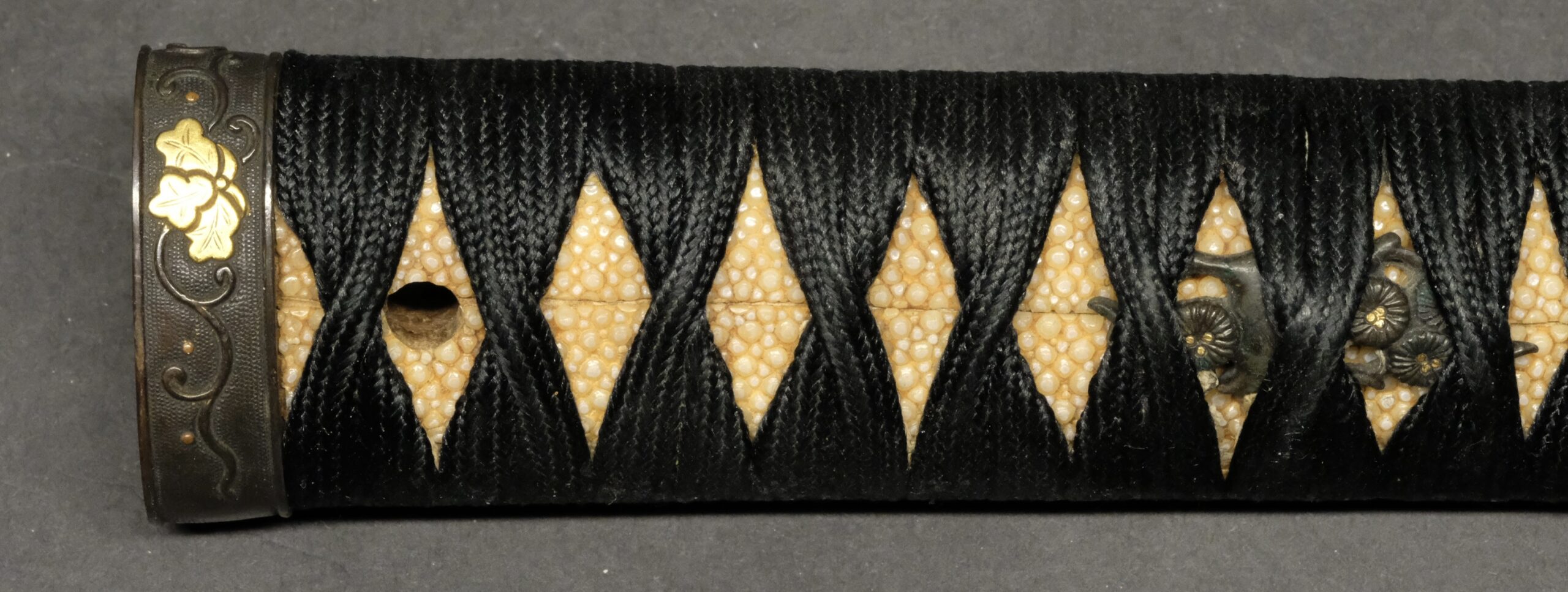
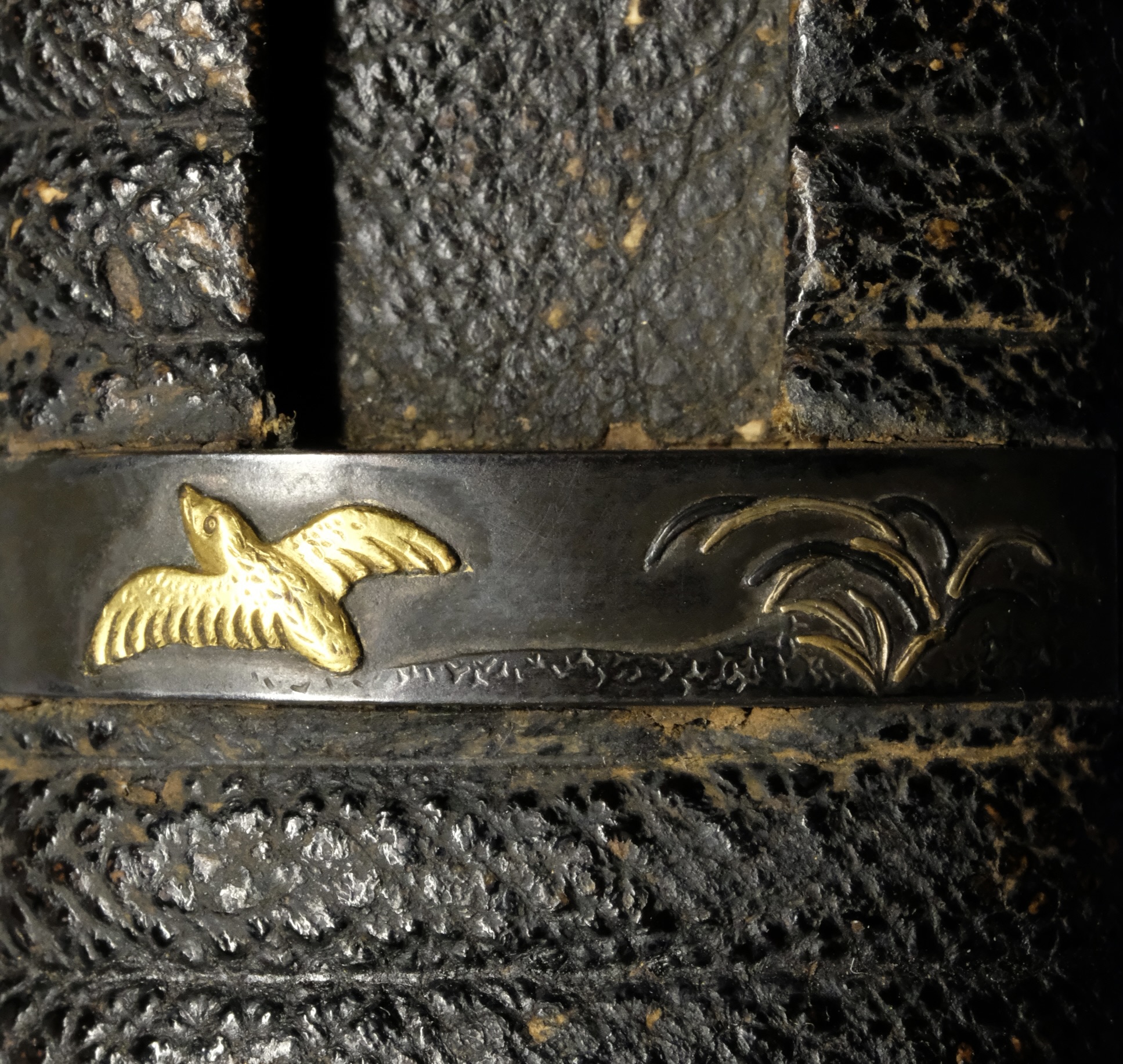
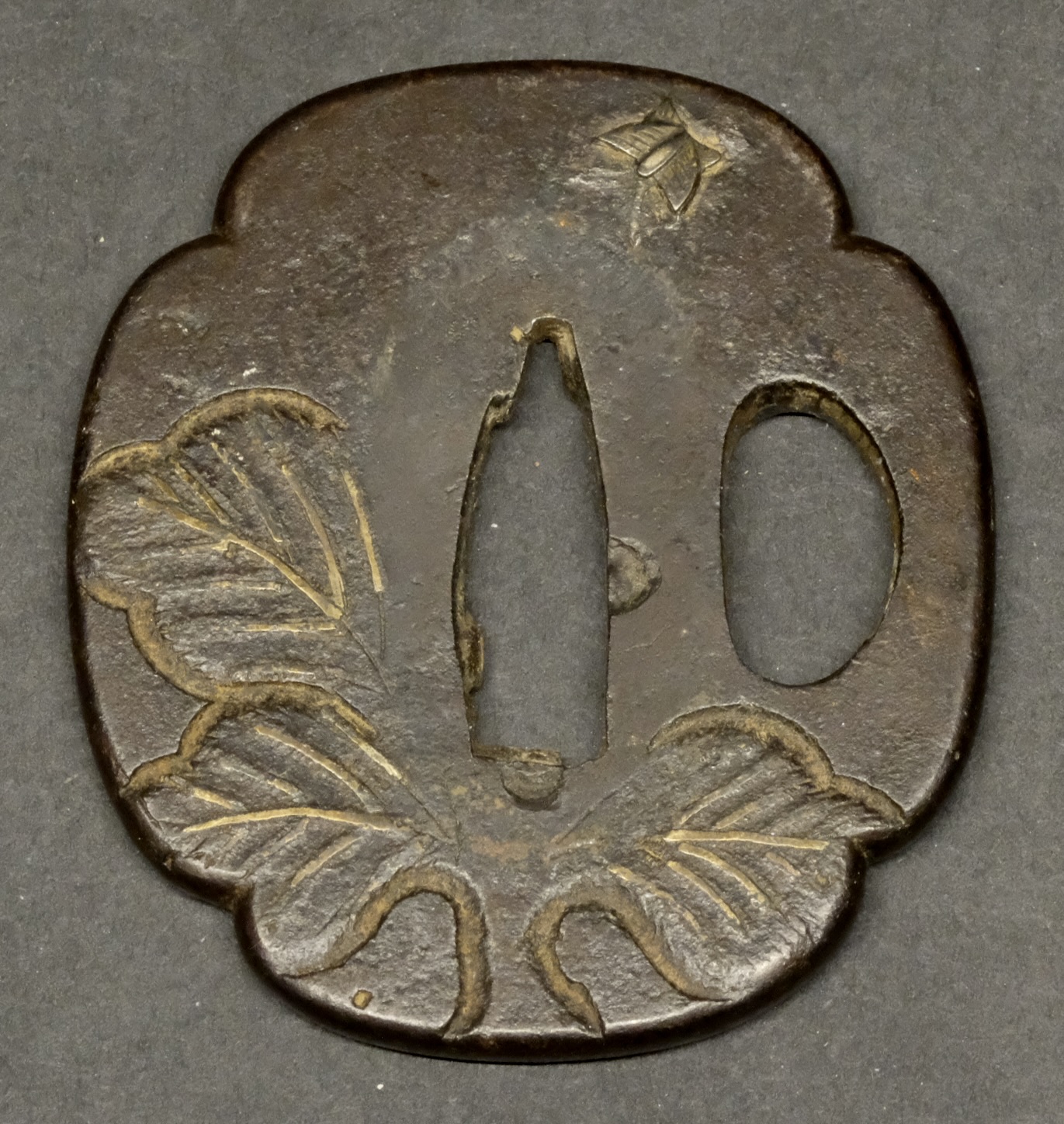
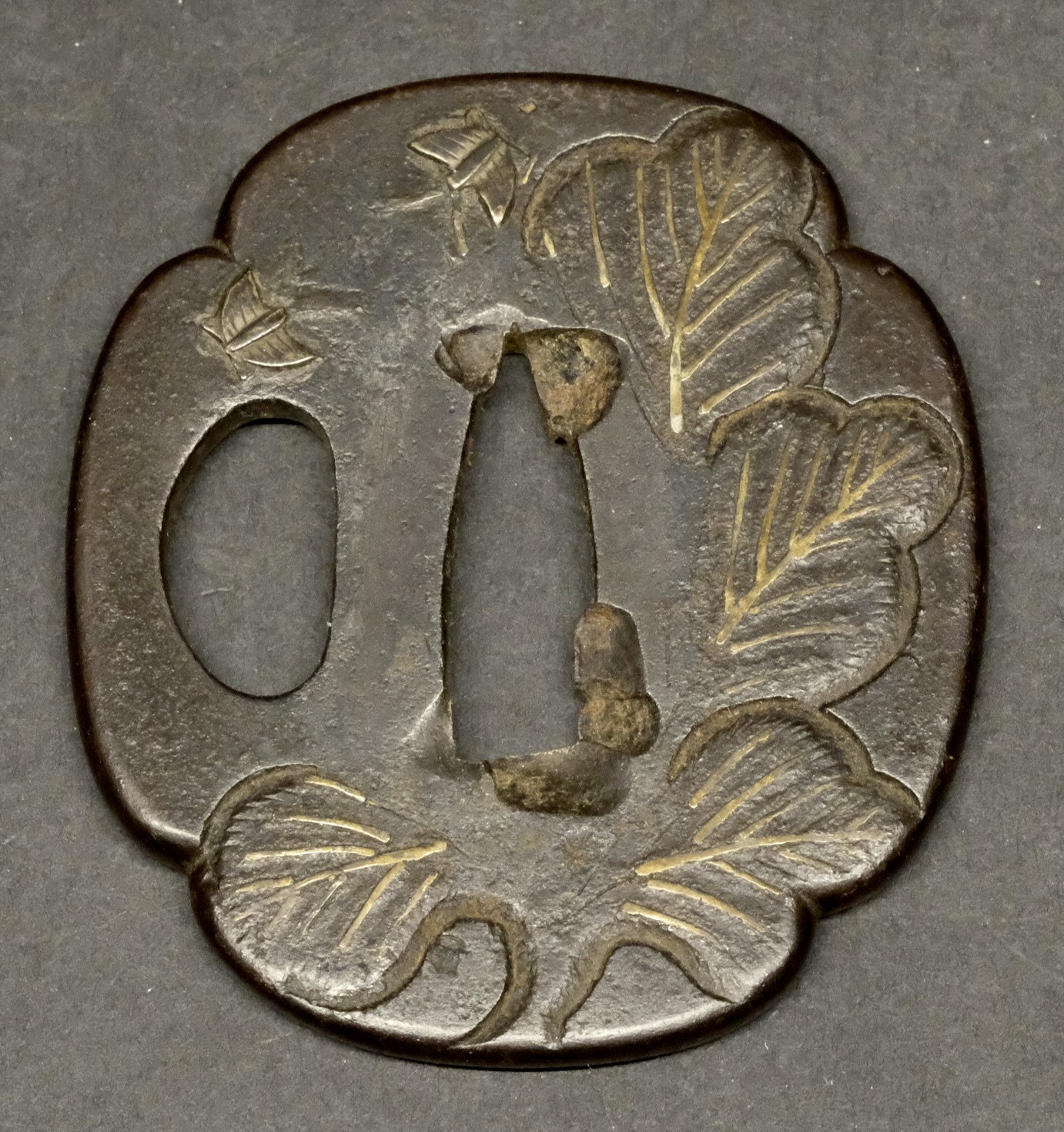
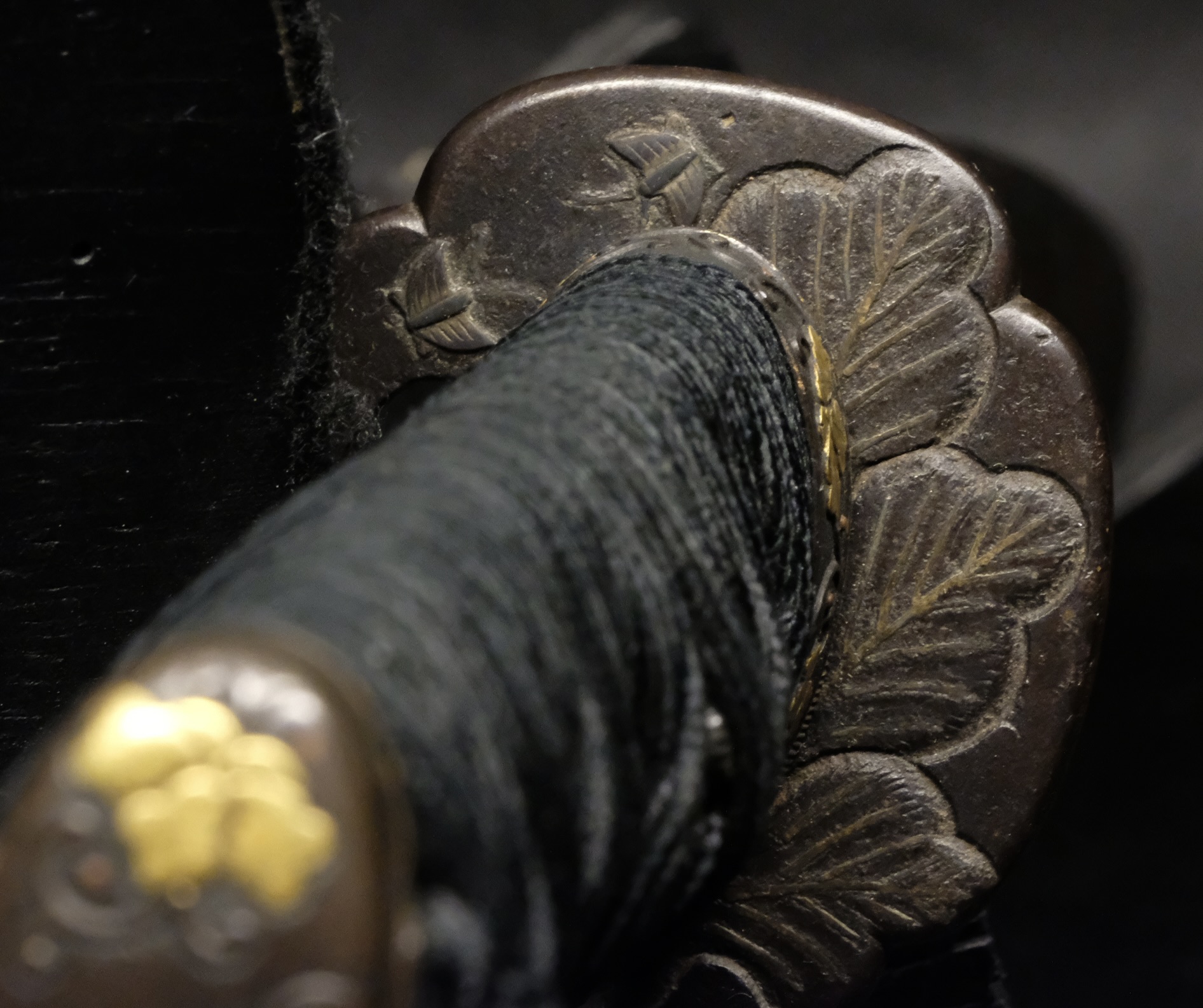
The Tanto also comes with a very nice Koshirea (see photos).
If you are unfamiliar with Dean, look him up. Dean received this Kanemoto Tanto as a gift from Dr. Honma of the NBTHK in Japan.
GUARANTEE: This tanto is guaranteed to pass NBTHK shinsa if submitted within one (1) year of purchase date.
Provenance: Dean Hartley collection.
$5000 plus S/H and any additional associated fees ( pp, wire, etc.)